
This film is beautifully crafted with moving interviews from the older generations and their younger families. The animated scenes of events during the war bring it all home with dramatic impact. Potash’s film should stand as a vital document in the history of Gniewoszów. Documentaries like Among Neighbors can tell a story that isn’t being written in history books in a way that is relatable and accessible. Kudos to Potash for bringing this story to light.
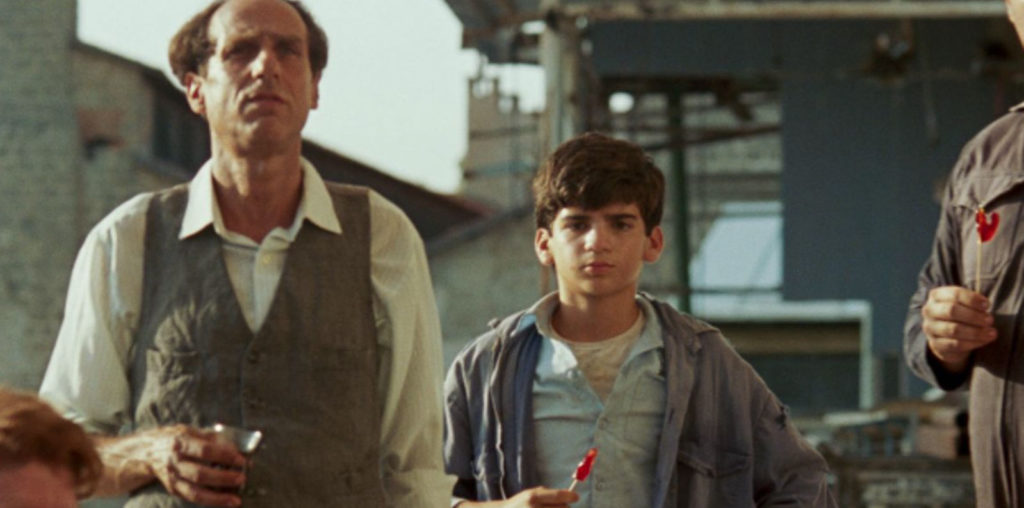
That said, and this next part may be controversial, perhaps the timing is poor (here in early 2025) to spend energy digging through past atrocities. The current generation is facing down new atrocities to be dealt with as the world turns back to fascism and right-wing nationalism. It may be uninspiring at this moment to be reminded that amiable, tolerant neighbors can become murderous savages. Of all the lessons taken from various wars since the inception of so-called “civilization,” this one recurs so ubiquitously that I think it’s safe to say, yep, we get it. Liev Schrieber brought us a similar story in his brilliant 2005 film Everything is Illuminated. I’m not saying it’s not important. I’m saying there’s nothing new here that hasn’t been unearthed time and time again, and it’s deeply discouraging. As of this writing, Israel as a state is not exactly regarded sympathetically, given the flattening of Gaza. Despite Potash’s heartfelt accomplishments, now is simply not the time.
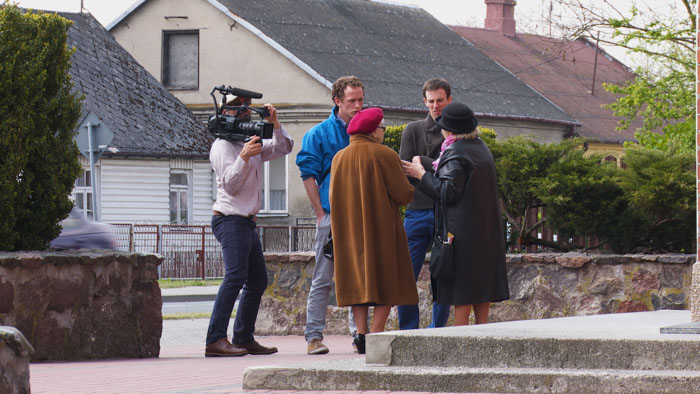
“…this investigation and documentation is timely and relevant, despite the passage of time…”
The other thing at play here is that Poland is a critical ally in the current fragile state of world affairs, and maybe dredging up past sins is not helpful at this particular moment. Still, the work should be available to anyone who needs to know what happened in detail. We keep saying, “Never forget,” yet we keep forgetting or disregarding. The spectral image of Santayana looks on disapprovingly.
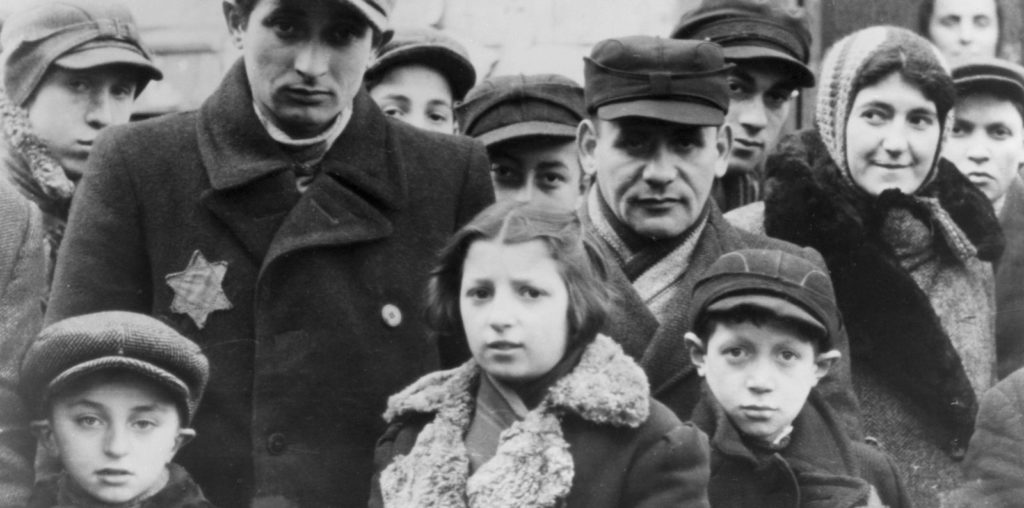
Poland now has laws threatening anyone who suggests Polish citizens were complicit in the holocaust, so this investigation and documentation are timely and relevant despite the passage of time. History needs to mark the testimony of the survivors and note that Polish people in Gniewoszów were seen committing atrocities against Jews long after the Nazis surrendered.
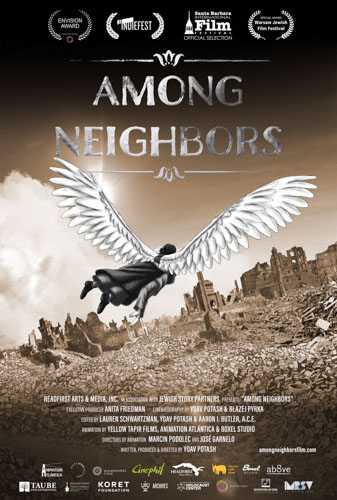
"…The animated scenes from history bring it all home with dramatic impact."

“Poland now has laws threatening anyone who suggests Polish citizens were complicit in the holocaust” is a mistake in this article that needs to be corrected for accuracy. Poland’s 2018 Amendment to the Act on the Institute of National Remembrance included a provision that criminalized defamation “publicly and contrary to the facts” which accused the Polish nation or state of being “responsible or co-responsible for Nazi crimes committed by the Third Reich.” So contrary to the statement in the article it did not apply to individuals. It actually legislates against Holocaust Denial, namely that Nazi Germany planned, organized and carried out the Holocaust of 6 millions Jews. If you want to say, as some historians do, that about 3% of that number of Jews were killed due to the involvement of collaborators in Poland, that is not illegal. In any case, there is no criminal penalty to this law, no imprisonment or fine: if you were to say that Nazi Germany did not murder 6 millions Jews but the Polish state did, that would be a crime in Poland and there is no punishment for it. That’s the law as it stands. If you doubt it, look it up.