
The documentary Among Neighbors tells the story of surprising violence in a small town in Poland after WWII, mixing crucial interviews with lively animation showing the events of the past. Director Yoav Potash focuses on the last living Holocaust survivor from the town of Gniewoszów. He also speaks to an elderly eyewitness who saw Jews murdered, not by Nazis, but by her own Polish neighbors.
Gniewoszów is a small village that once was home to a mix of Catholic and Jewish people who survived WWII, but seemingly, there was some period of hangover after the war when Jews were still persecuted and, in some cases, murdered outright. Currently, there are no Jews living in Gniewoszów.
Yaacov Goldstein, a holocaust survivor, lived there but is currently living in Israel. He was born in 1933. He refers to life in Gniewoszów before the Nazis as a “magic story” despite tensions between Jews and Catholics. During the war, he evaded the death camps and lived to tell the tale. Early on, the Catholic Poles made plans with their Jewish neighbors to create false papers to save the Jews, but this humanitarian effort of empathy fell apart as the war progressed.

“…after WWII Jews in Gniewoszów, Poland were still persecuted, and in some cases murdered…”
The other witness to history speaking here is Pelagia Radecka. A Polish woman of 85 now, but she was 15 during the war. She spoke to Potash at great peril to herself, defying Polish law. She hopes to learn the fate of a Jewish boy she loved named Janek Weinberg.
Potash speaks of the driving incentive to make this film in his director’s statement: “In 2014, I first set foot in the small Polish town of Gniewoszów, a place that had once been home to about 3,000 Jews. Today it was home to none. Ostensibly, Nazi Germany was solely responsible for the eradication of Jewish life in this quiet rural enclave, just as Hitler and his accomplices were responsible for the death of six million Jews across Europe. But when I interviewed town elders, I uncovered a dark secret––local Poles had murdered the Holocaust survivors who returned to the town a full six months after the surrender of Nazi Germany.“
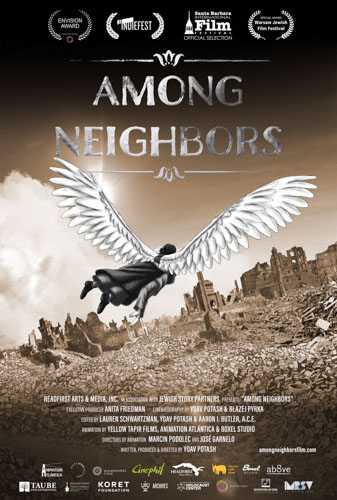
"…The animated scenes from history bring it all home with dramatic impact."
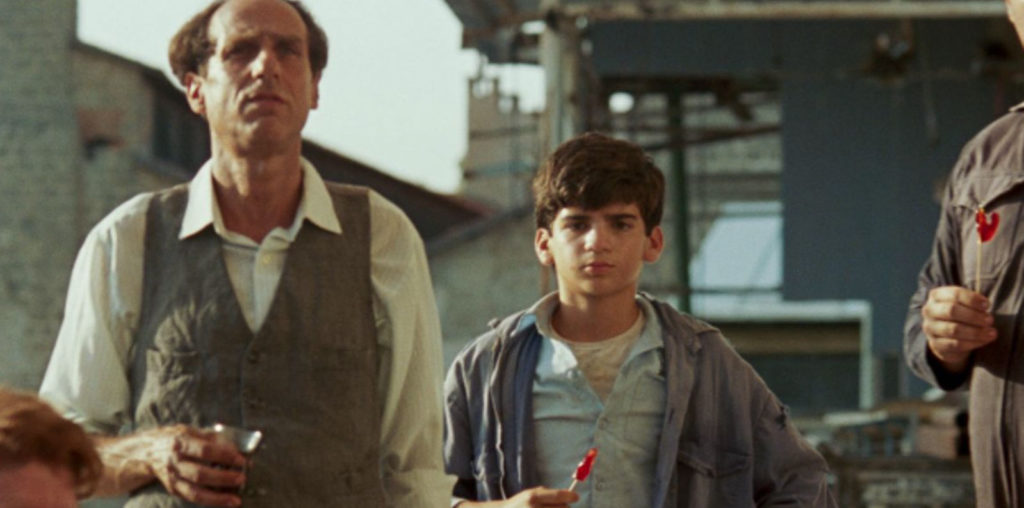
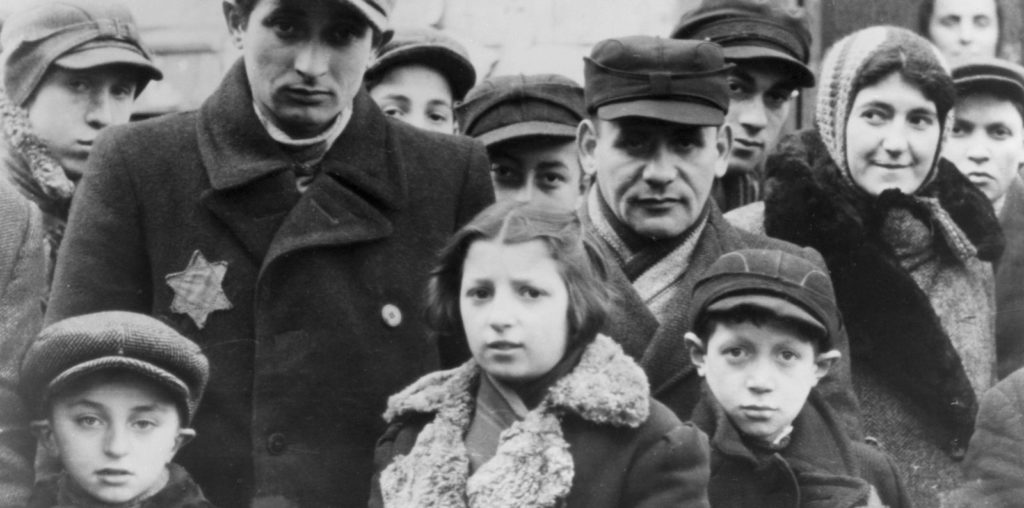
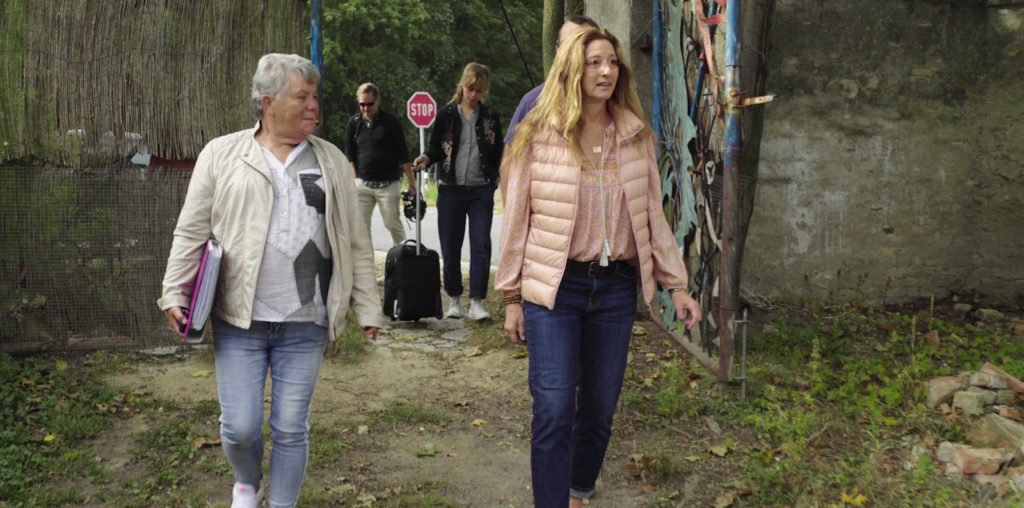

“Poland now has laws threatening anyone who suggests Polish citizens were complicit in the holocaust” is a mistake in this article that needs to be corrected for accuracy. Poland’s 2018 Amendment to the Act on the Institute of National Remembrance included a provision that criminalized defamation “publicly and contrary to the facts” which accused the Polish nation or state of being “responsible or co-responsible for Nazi crimes committed by the Third Reich.” So contrary to the statement in the article it did not apply to individuals. It actually legislates against Holocaust Denial, namely that Nazi Germany planned, organized and carried out the Holocaust of 6 millions Jews. If you want to say, as some historians do, that about 3% of that number of Jews were killed due to the involvement of collaborators in Poland, that is not illegal. In any case, there is no criminal penalty to this law, no imprisonment or fine: if you were to say that Nazi Germany did not murder 6 millions Jews but the Polish state did, that would be a crime in Poland and there is no punishment for it. That’s the law as it stands. If you doubt it, look it up.