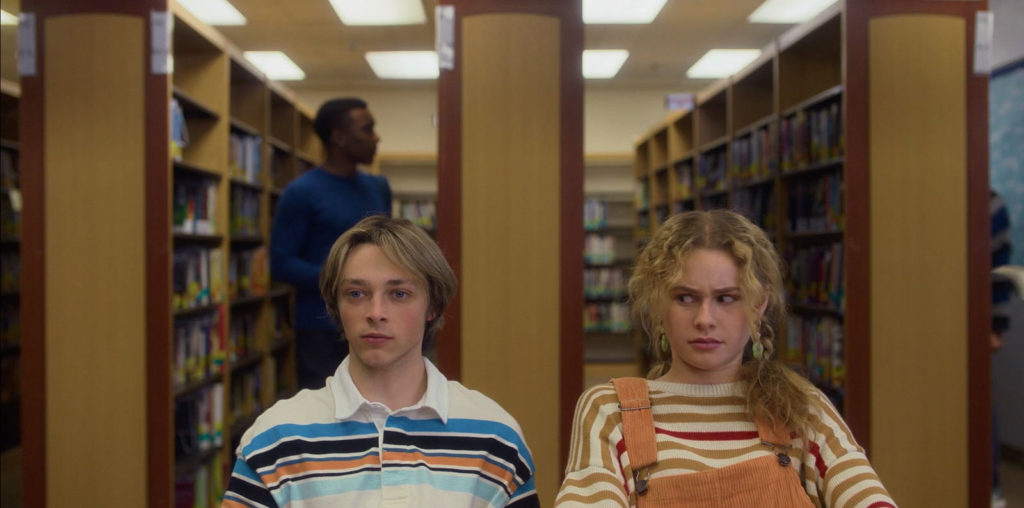
All is Fine in ’89 is a dark comedy from director/writer Matthew Lupis focused on students and teachers at Romano High School as they prepare for an end-of-year party in a nearby field. This will be the final farewell to childhood for the graduating seniors. The mood is light and celebratory until the night takes a dark turn.
The viewer is introduced to the context of the era (or reminded of it) through snippets of news broadcasts showing cultural milestones like ads for Aids weight loss candy, 1-900 phone sex lines, and the fall of the Berlin Wall. The characters are 80s film tropes. Familiar themes of casual misogyny, teen pregnancy, bullying, homophobia, and more unpleasant facts set the stage for unwelcome reminders of the past that those of us who lived through it have tried to forget. There is a dream sequence of a student imagining sex with a teacher.

“…students and teachers at Romano High School prepare for an end-of-year field party…”
The film lands somewhere between Fast Times at Ridgemont High, Dazed and Confused, American Pie, and The Breakfast Club, but with obvious budget constraints. The moon tower party of Dazed and Confused becomes a field party here. All is Fine in ’89 takes a step further into the isolation and loneliness of the characters, facing their own challenges and dark moments. This is an interesting exploration, but it causes the film to be tonally unbalanced. One moment shares light-hearted high school shenanigans, but in the next, we see child abuse, implying sexual assault. This is jarring, to say the least. Like Dazed and Confused, there is no traditional 3-act structure, but more of a “day in the life” presentation of events. Wrapping up the narrative with The Sundays Here’s Where the Story Ends is a bit on the nose, but it’s a great song, so that can be forgiven. Ironically, all was not fine in ‘89, and hasn’t been since.
Lupis somehow got permission to use ’80s pop songs, including Obsession by Animotion, True by Spandau Ballet, and others. Authenticity is reinforced by the use of synthesizers specific to the late 80s in the soundtrack. Those synth tones also evoke the nostalgia of Stranger Things. The commitment to period veracity is impressive. The costumes, sets, dialogue, music, and character archetypes all click with the period. The end result is an on-target dark comedy that leans in on the “dark” part.
The director and his cast deliver a solid film with the available budget, but the question hanging over the effort is: why? This ground was covered extensively before, and All is Fine in ’89 doesn’t add anything new to our recollection of the time. For those not already intimately familiar with the 80s, the film offers an accurate, if grim, window on what it was like to be a young adult then.
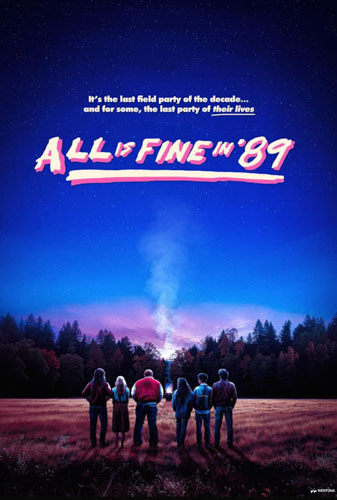
"…an accurate, if grim, window into what it was like then."