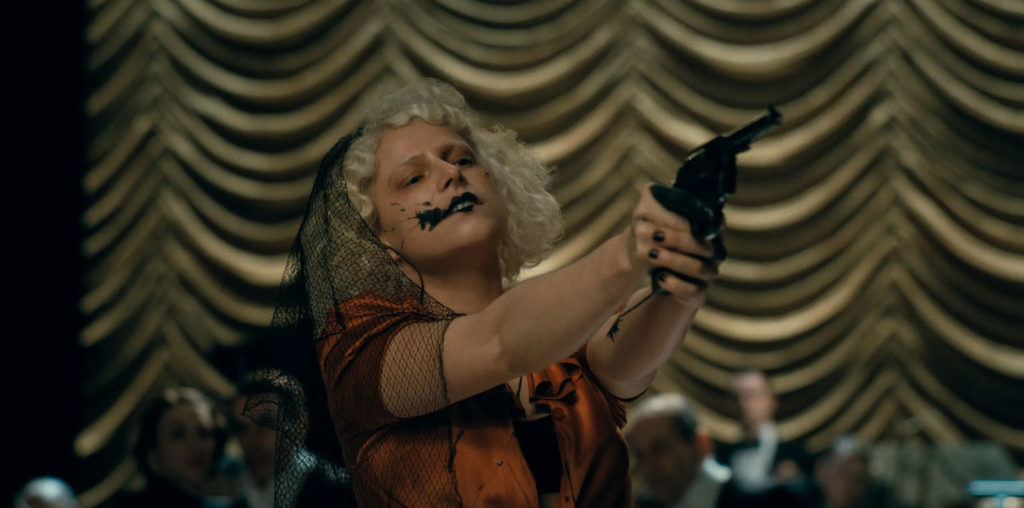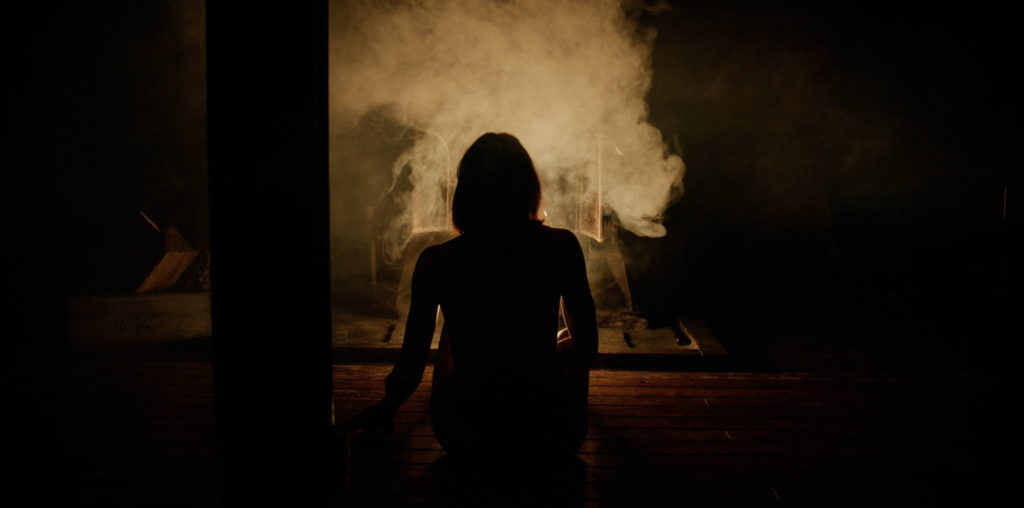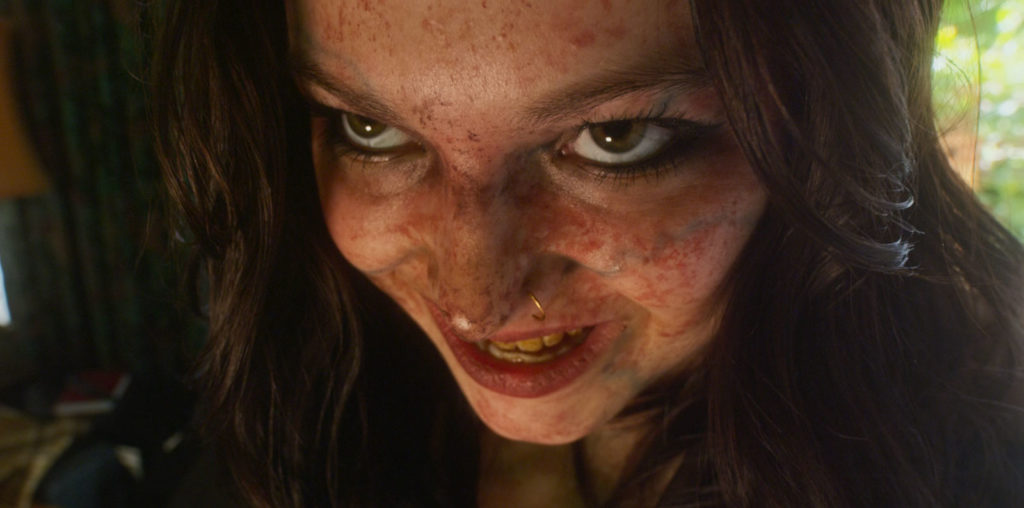
Donna Davies’ documentary 1000 Women in Horror, written by Alexandra Heller-Nicholas, is more of a visual accompaniment of Heller-Nicholas’ 2020 book 1000 Women in Horror, 1895–2018. That volume is encyclopedic, dense, referential, while this film breathes, bringing the info to life, animated by the voices and faces of women who continue to work within horror’s evolving language.
The slickly produced documentary’s structure will be familiar, as it pulls clips, many of them well-known within horror fandom. Genre followers, even casual ones, will recognize the imagery and perhaps even anticipate the commentary that accompanies it. The film is constructed in chapters on various aspects similar to Heller -Nicholes work in Chain Reactions on Texas Chainsaw Massacre,1000 Women in Horror is the discussion of the women who shaped, challenged, and reimagined their visions in spite of demeaning sexist behaviour not just in front of the camera but behind as directors, writers and producers so with large budgets that others.
The work features on-camera dialogue with some colourful vocabulary by women filmmakers, writers, and performers such as Akela Cooper, Brea Grant, Mary Harron, Nikyatu Jusu, Lin Shaye, and Kate Siegel. The result is an attempt to connect horror history through gender. Even films that might divide artistically or by significance. The emphasis is not on whether a film succeeds universally, but on how women have engaged with it, subverted it, or drawn inspiration from it.
The chapter titles of women’s experiences across life stages: girlhood, adolescence, adulthood, and motherhood. The “Final girl,” the monstrous feminine, the maternal protector or destroyer, these are not static tropes but fluid identities that reflect broader cultural anxieties about women’s roles. The “Final girl gets a surprisingly easy ride in the documentary, ignoring the fact that many of those women are doing the action of protectors are dressed in form-fitting tank tops with cleavage abounding while saving the day like some “deus ex machina’ convenience.
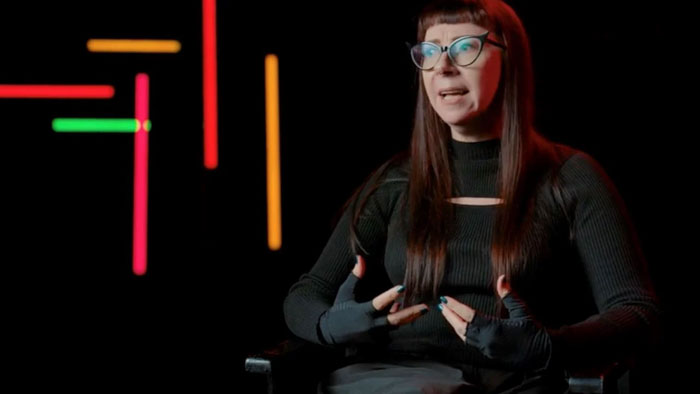
“That volume is encyclopedic, dense, referential, while this film breathes, bringing the info to life…”
The section on motherhood is particularly sharp, moving from appreciation into something more incisive. Kate Siegel’s on camera contribution on what a “c section” really is like stands out for cutting (No pun intended) through the familiar discourse with a kind of authority.
Indeed, one could argue that 1000 Women in Horror offers little in the way of new information for well-versed genre enthusiasts. The historical points, the film references, and even many of the thematic interpretations will feel recognizable. The pleasure of the documentary comes from introducing this to a new audience that many find large books or critical commentary in academic film studies not to their liking.
Possibly, there are those in the audience who will immediately take this as a purely feminist approach, or some who dismiss this as simply horror made by a bunch of “Butch ‘women, which is a mistake. This is feminist but also about LGBTQ people, some featured on camera, that make this a celebration of legacy, which has been in the genre all along, just overshadowed. The film successfully points out that Women have been around in Horror since it was invented, not just as victims on screen.
The most illuminating and tragic parts of this film are the recollections of particularity of Bre Grant as a director, having her decisions for a particular shot questioned by a member of the crew on set, plus other recollections of harassment by others.
1000 Women in Horror does have some flaws, as did Chain Reactions, with the opinions often being construed as dogmatic. It does do some broad (No pun) interpretations of films like Polanski’s Rosemary’s Baby and The Exorcist. Ignoring the benchmark Dracula’s Daughter, then citing James Whale’s Bride of Frankenstein without mentioning the Whale himself was a gay man. Anyone with an interest in horror can appreciate it; its primary audience is unmistakable: women who love the genre, who see themselves reflected in it, and who continue to push it forward.
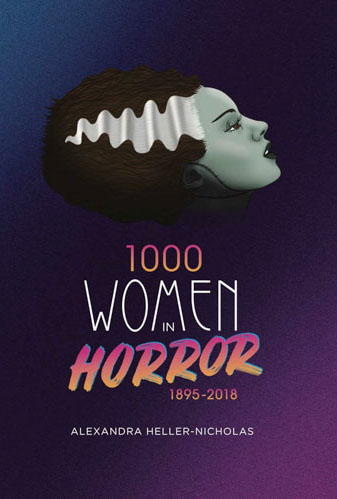
"…The film successfully points out that Women have been around in Horror since it was invented not just as victims on screen."