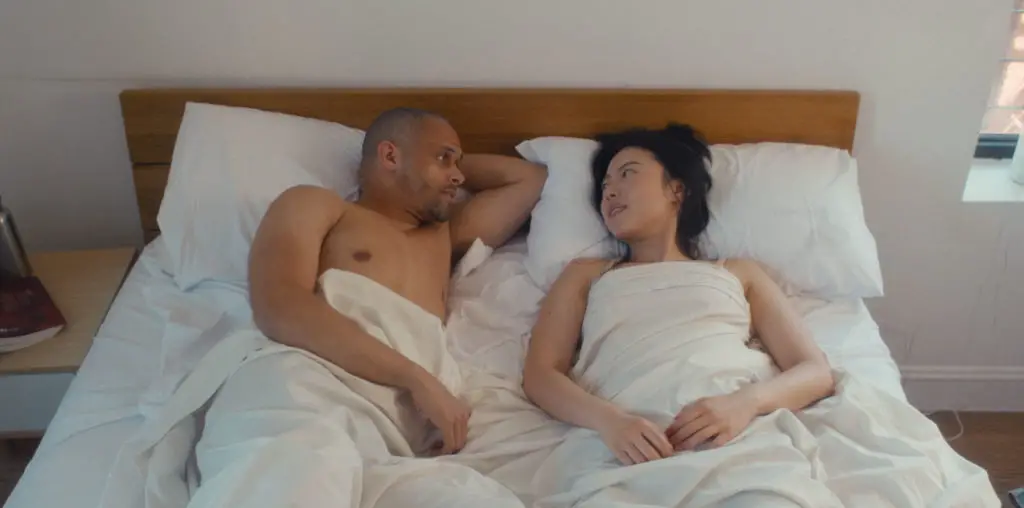
The end of a romantic relationship marks a peculiar void in cinema. Characters break up, marriages dissolve, and protagonists move forward, yet the specific act of returning to dating receives surprisingly little focus in recent films. Between 2022 and 2025, no major releases have centered their narratives on this particular emotional terrain. The absence reveals something about contemporary storytelling priorities: filmmakers prefer to examine heartbreak itself or skip ahead to new love rather than document the awkward middle ground of first dates after long partnerships.
Films That Address Starting Over at Different Life Stages
Films about post-breakup dating often portray characters at various ages and life circumstances. Movies like “It’s Complicated” (2009) show middle-aged protagonists attempting romance after long marriages end, while “How to Be Single” (2016) follows younger characters learning to date after college relationships dissolve.
The emotional territory these films explore varies based on the protagonist’s life phase. “Under the Tuscan Sun” (2003) depicts a woman rebuilding her romantic life after divorce through travel and self-discovery, while “Crazy, Stupid, Love” (2011) shows a man learning modern dating rules when dating after a divorce. Films addressing post-divorce dating tend to include scenes about co-parenting, dividing assets, and explaining new relationships to children. These practical elements distinguish them from movies about twenty-somethings bouncing back from shorter relationships.

Pre-2022 Films That Approached the Theme
“Bridesmaids” (2011) incorporated post-breakup dating into its comedy about female friendship and career setbacks. The protagonist’s attempts at a new romance after losing her relationship provided comedic moments while advancing character development. Cosmopolitan notes the film addresses “approximately one million different kinds of loss,” with romantic loss being one component rather than the sole focus.
“Sliding Doors” (1998) used parallel narratives to show how discovering infidelity could lead to different romantic futures. One timeline shows the protagonist entering new relationships after her breakup, while the alternative timeline follows a different path. The film’s speculative structure allowed exploration of dating possibilities without committing to a single narrative arc.
Why “Eat, Pray, Love” Misses the Mark
“Eat, Pray, Love” (2010) appears on multiple breakup movie lists from Cosmopolitan and PureWow, yet its treatment of post-breakup dating remains secondary. The protagonist travels, discovers herself, and eventually finds romance, but the film prioritizes healing and self-discovery over the mechanics of dating. New romantic encounters occur organically during the journey rather than through deliberate attempts at dating.
This pattern repeats across films commonly labeled as breakup movies. They show characters healing, growing, and eventually finding love, but they skip the awkward coffee dates, failed text conversations, and uncomfortable first kisses that characterize actual post-breakup dating.

The Memory Problem in “Eternal Sunshine”
“Eternal Sunshine of the Spotless Mind” (2004) takes an unusual approach by erasing memories of past relationships. The film explores what happens when characters meet again without remembering their shared history. While new romantic possibilities emerge after memory erasure, the film focuses on the philosophical implications of forgetting rather than the practical reality of dating someone new. Cosmopolitan includes it on breakup movie lists, but its surreal premise removes it from realistic portrayals of post-relationship dating.
What Current Cinema Offers Instead
Contemporary films prefer three alternative narratives to actual post-breakup dating stories. First, they show characters healing alone through travel, career changes, or personal growth. Second, they skip forward to established new relationships without showing how they began. Third, they focus on reuniting with former partners rather than meeting new people.
The streaming era has not changed this pattern. Netflix, Amazon Prime, and other platforms continue to produce breakup dramas and romantic comedies, but none have specifically targeted the dating-after-breakup narrative in recent years. Television series occasionally explore this territory through multi-episode arcs, but feature films remain focused elsewhere.
The Gap in Contemporary Storytelling
The absence of recent films about post-breakup dating creates a disconnect between cinema and lived reality. Millions of people re-enter dating after relationships end each year. They create online profiles, attend speed dating events, and navigate first dates while processing previous relationships. Yet filmmakers avoid this specific narrative space.
Several factors might explain this gap. Post-breakup dating lacks a clear dramatic structure. Unlike meeting someone for the first time or reconciling with an ex, dating after a breakup involves false starts, mediocre connections, and gradual progress rather than decisive moments. These narratives resist the clean three-act structure that films typically require. Additionally, the emotional complexity of dating while still processing a previous relationship creates tonal challenges. Films must balance hope with skepticism, comedy with genuine pain, and new possibilities with lingering attachments.
The topic also requires specificity that many films avoid. Dating after a two-year relationship differs from dating after a twenty-year marriage. Dating at thirty differs from dating at fifty. Films that attempt to capture post-breakup dating must choose specific circumstances, potentially limiting their audience appeal.