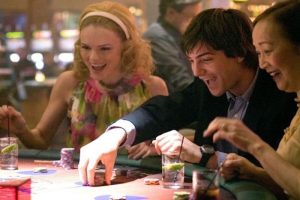
There’s a specific kind of disappointment that comes from watching a casino scene fall apart. The chips look real, the costumes are sharp, and the set decorator clearly did their homework. Yet something feels hollow. The room doesn’t breathe. Nobody seems to be losing anything that matters. The casino becomes wallpaper instead of a world.
Getting these scenes right is harder than it looks, and far fewer filmmakers manage it than you’d expect. The difference between a gambling sequence that crackles with tension and one that just fills screen time usually comes down to craft decisions that happen long before the camera rolls.
Why Most Casino Scenes Feel Fake
The most common failure is treating the casino floor as pure atmosphere, a signifier of glamour or danger rather than a functioning social ecosystem. Directors pile on neon, stack the background with tuxedos, and then forget to ask what the space actually demands of the people inside it.
A real casino floor has a visible hierarchy. Pit bosses reading tables, dealers controlling pace, players performing confidence they may not feel. Ignore that architecture, and the scene goes flat immediately.
Sound design compounds the problem. A generic casino mix, slot machines, ambient chatter, and the occasional dramatic musical sting remove the specificity that makes a room feel real.
The particular scrape of a chair at a blackjack table, the silence before a river card, the way crowd noise compresses during a big bet. These are the details that put audiences in the room. Strip them out, and you’re left with a movie set, not a casino.
The Craft Behind Iconic Gambling Moments
The sequences that hold up under repeat viewing are almost always built around character motivation first. The room exists to reveal what someone stands to lose, pride, money, their last chance at something, and every production choice should serve that function.
Lighting matters enormously here. Tight, directional sources that create shadow under eyes and on hands force the audience to read faces the same way players read opponents. Visual presentation is just as important in digital environments.
Several bovada alternatives, for example, invest heavily in cinematic interfaces, immersive sound design, live studio production, and high-definition streaming. From the lighting around a live dealer table to the subtle audio cues that accompany game actions, these elements help establish tension, focus attention, and create a more engaging experience.
The same principles apply in film and television, where atmosphere is often built through carefully coordinated visual and audio choices rather than dialogue alone.
How Real Online Casino Culture Shapes Expectations
The commercial gambling landscape has changed dramatically, and that shift echoes into cinema. Online gaming revenue in the U.S. reached $2.19 billion in May 2025 alone, rising 27.5% year over year.
That scale of participation means a significant portion of any film’s audience now has direct, hands-on experience with how betting systems work and what risk actually feels like from the inside.
For filmmakers, this creates both a challenge and an opportunity. Lean into the analog grandeur of a physical room and let the architecture do dramatic work. Better yet, engage with quieter, screen-based risk and find a completely different visual language.
Films That Actually Got the Table Right
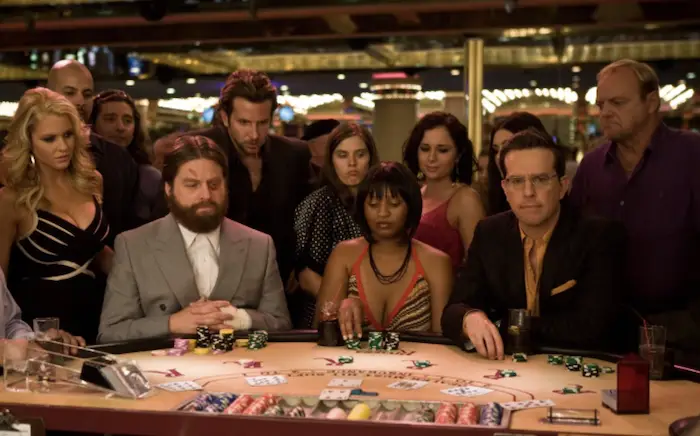
The films that nail casino scenes tend to share one characteristic: they treat the room as a pressure cooker with specific rules, not a backdrop with general vibes.
Uncut Gems uses the casino floor as a space of controlled chaos. The sound design alone, dense and overlapping, communicates how little control the protagonist actually has. Casino builds its first hour around the mechanics of the operation itself, so that when things fall apart, the collapse feels structural.
The best directors understand they’re not just shooting a set, they’re inheriting a mythology, and the craft lies in deciding how much of it to trust and how much to subvert. When that decision is made deliberately, the scene works. When it isn’t, you’re back to wallpaper.