
Online gaming rarely stands still. New mechanics, faster play loops, and crypto integration have pushed simple concepts into headline attractions. One of the clearest examples is the mines casino format, a deceptively simple grid game that has become a staple of many modern platforms.
For readers who enjoy the way indie films strip ideas down to their raw components, the appeal is easy to understand. Mines is built on tension, timing, and player choice rather than cinematic spectacle. Yet beneath that clean surface sits a surprisingly layered experience.
The Basics That Keep Players Clicking
At its core, Mines borrows inspiration from the classic Minesweeper concept. Players face a grid of hidden tiles. Some contain rewards while others hide instant losses. Each safe reveal increases the potential payout, and the player decides when to stop and collect.
That last part matters more than it first appears.
Unlike traditional slots where the spin resolves automatically, Mines places the pacing in the player’s hands. Every click becomes a small moment of suspense. Continue for a larger multiplier or cash out and walk away. The mechanic is simple enough for newcomers yet flexible enough to keep experienced players engaged.
Many modern versions also allow players to adjust the number of mines on the board. Fewer mines create lower risk with smaller rewards. More mines raise the danger level but open the door to much larger multipliers. This adjustable volatility is a major reason the format has spread so quickly across crypto and instant win platforms.
Why Crypto Casinos Embraced the Format
The rise of blockchain gaming created the perfect environment for Mines to thrive. Crypto platforms often favor quick rounds, transparent math, and games that work smoothly on mobile. Mines checks every box.
Platforms like Winna position their Originals suite around provably fair mechanics. These systems allow players to verify that each result was generated honestly, which has become a central trust signal in crypto gambling. According to industry coverage, provably fair technology lets players independently confirm outcomes and helps build confidence between operators and users.
That transparency pairs naturally with Mines because the game already feels interactive and skill influenced, even though the underlying results remain random.
Fast Rounds for a Short Attention Era
If this were a film review, this is where we would talk about pacing.
Mines succeeds because it respects the player’s time. Rounds resolve in seconds. There are no long animations or complicated rule sets to absorb. You can play one quick session or settle in for a longer run depending on mood and bankroll.
Industry observers have noted that modern instant win titles such as mines, crash, and plinko are being integrated by operators specifically because they deliver fast engagement and broad player appeal.
That speed is not accidental. It reflects a wider shift in online entertainment where users expect immediate feedback and tight gameplay loops.
Strategy Versus Pure Chance
Let’s be clear. Mines is still a game of chance.
No pattern guarantees success, and each tile reveal is independent. However, the illusion of control plays a major role in the experience. Players can manage risk by adjusting mine counts, choosing when to cash out, and setting session limits.
This is where the game differs psychologically from many slot machines. Instead of passive spinning, players actively decide how bold they want to be. That decision making layer creates the tension that keeps people coming back.
Responsible players treat Mines as entertainment first. Setting limits and understanding the odds remain essential habits, especially given the rapid pace of play.
The Mobile Factor
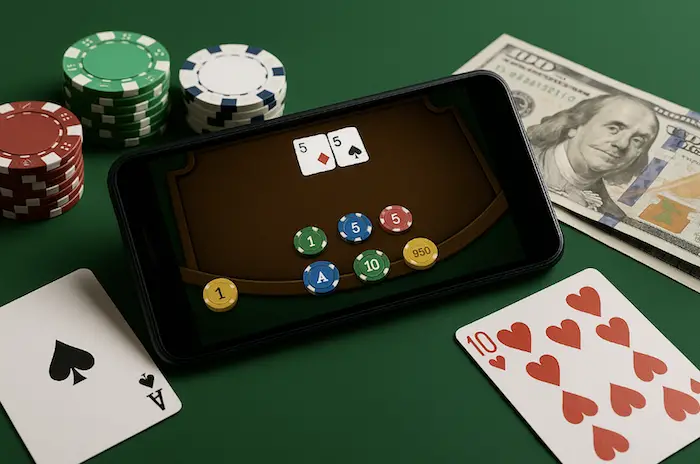
Another reason Mines continues to spread is its natural fit for phones and tablets. The tap based interface translates perfectly to touchscreens. There are no complex control schemes or small interface elements fighting for space.
Developers have leaned into this by building HTML5 versions that run smoothly across devices. The result is a game that feels equally at home during a quick commute session or a longer desktop play window.
For operators, that flexibility means higher engagement across multiple traffic sources. For players, it means the experience stays consistent wherever they log in.
What to Look for Before Playing
Not all Mines implementations are equal. Experienced players usually check a few basics before committing time or money.
First comes transparency. Provably fair verification or clear RNG certification helps confirm that outcomes are legitimate.
Second is customization. Adjustable mine counts, autoplay options, and clear payout tables improve the overall experience.
Third is platform stability. Because rounds move quickly, even small delays or interface glitches can break immersion.
Finally, always check responsible gaming tools. Session limits, loss controls, and cooldown options are signs of a platform taking player safety seriously.
A recent report from iGaming Business highlights how developers continue expanding portfolios of fast paced titles including mines, crash, and plinko to meet demand for transparent instant win games. The article emphasizes that provably fair verification and quick engagement loops are key drivers behind operator adoption and player interest.
Mines succeeds for the same reason many cult indie films do. It takes a familiar idea, strips away excess, and focuses on tension.
There are no spinning reels or cinematic cutscenes doing the heavy lifting. Just a grid, a choice, and the quiet question of whether to push your luck one more time.
For players who appreciate fast decisions and hands on pacing, the format delivers exactly what it promises. Clean mechanics. Immediate feedback. And just enough suspense to keep that next click feeling dangerous.
As always, the smartest move is to treat the experience as entertainment, set clear limits, and enjoy the ride for what it is.