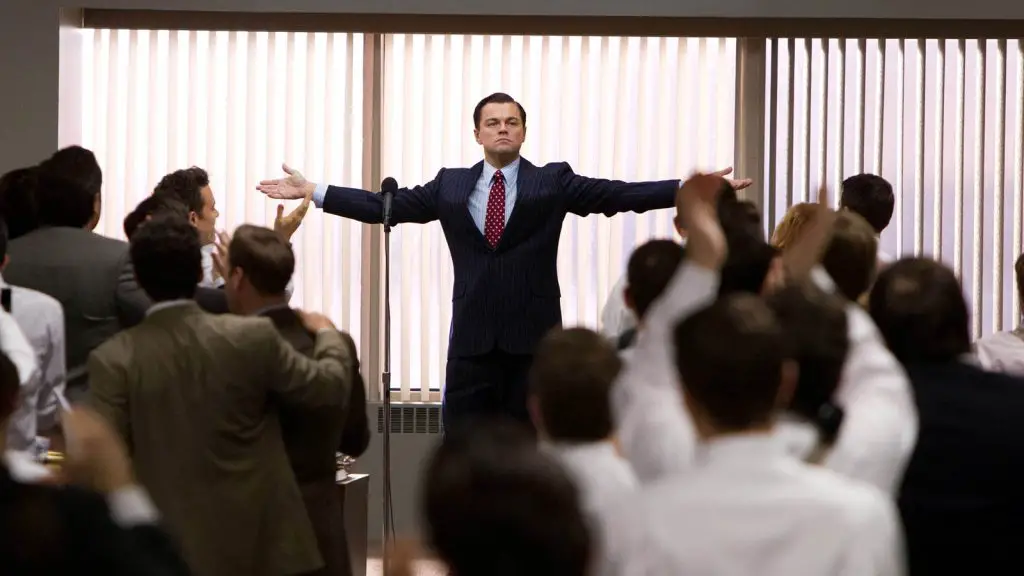
You are sitting in the dark. Someone hits the spin. Nobody speaks. For a second, the whole room leans forward at the same time. That moment has been doing heavy lifting in films for years. Now it does not stay on the screen. It follows you home.
You have seen it a hundred times on the silver screen. A spinning reel. A final bet. A room full of elegantly dressed people holding their breath. These scenes feel simple, but they work every time. That same idea now lives beyond film, in places where you do not just watch the outcome, you take part in it.
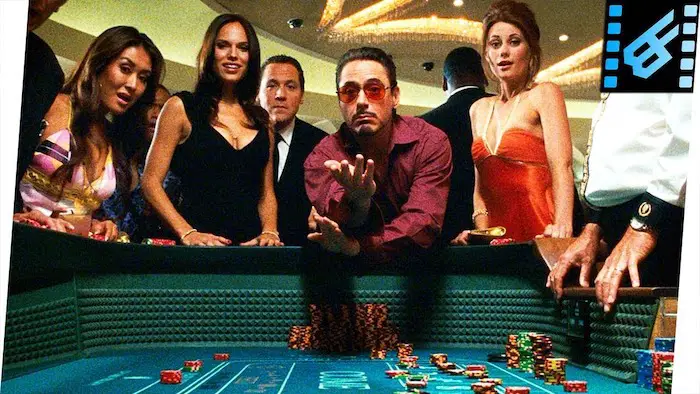
You already understand the language of casino scenes, even if you have never thought about it. A spin starts. The tension builds. The result lands. You feel it in your gut before your brain catches up. That is why filmmakers keep coming back to it. It is fast, clear, and easy to follow. From James Bond to a thousand cowboy movies and everything in between, the gambling scene is alluring because it is just so relatable.
That same structure has moved beyond the silver screen to the mobile phone screen. You still get the same rhythm, the same rush. But the difference is that now you are inside it.
Casino Imagery as a Storytelling Shortcut
Casino scenes save time. You do not need backstory or explanation. You see chips on a table or reels spinning, the ice cold poker stare, and you know what is at stake.
Research into images of gambling in film breaks this down into 8 recurring themes. These include big wins, cheating, links to crime, and the idea that some players have near-mythical skill. Films lean into extremes. Characters either crash hard or hit impossible streaks.
Another dataset tracked 102 gambling-related films, with 16 built directly around gambling outcomes. That tells you how often this device drives the story itself.
The point is simple: these scenes carry weight without needing explanation. You drop them into a film, and the audience is already with you.
Why These Scenes Work on Screen
Casino scenes run on clarity. You know when something starts, and you know when it ends. There is no confusion about what just happened.
A spin gives you a clean cycle. Start, build, result. Editors use the same rhythm. You cut between faces, hands, and outcomes. The tension rises, then releases.
Sound and visuals do the rest. Lights flash. Coins hit the tray. The room reacts. You do not need dialogue to explain any of it.
That makes these scenes reliable. They hold attention without asking much from the viewer. It’s a masterclass in story telling technique.
Cinema as a Shared Experience
Watching these moments in a cinema adds another layer. You are not reacting alone. You feel the room shift when the outcome lands. There’s this idea of cinema as a shared experience. The crowd becomes part of the scene. A win gets a reaction. A loss gets a different one. That group response changes how you read the moment. It pulls you in. You are part of something, even if you came in on your own.
Casino scenes work well here because they invite that reaction. Everyone understands what just happened. No explanation needed.
From Passive Watching to Interactive Play
That same structure now exists outside the cinema. You are no longer watching someone else take the risk. You are the one pressing the button.
You see this clearly in an online social casino. You open a game and you are straight into the action. No setup. No barrier. The same cycle plays out in your hands.
This lines up with what film has already trained you to expect. You want a quick start. You want a clear result. You want to feel something each time the cycle resets.
A study found that exposure to gambling content increases intention to engage. That link between what you see and what you do is not abstract. It shows up in behaviour.The difference now is control. You are not waiting for a character to act. You decide when the next moment happens.
The Same Mechanics, Different Medium
Nothing here is new. The structure has been in films for decades. What has changed is where you sit.
Film puts you on the outside looking in. Digital play puts you in the seat. The same tension is there. The same rhythm. The same quick hit when the result lands.You already know how it works. You learned it from the screen.
Where It All Lands
Casino imagery sticks around because it does a job. It creates tension fast. It gives you a clear outcome. It keeps things moving.
Film uses it to tell stories. Digital platforms use it to hold your attention.
You move between the two without thinking about it. One shows you the moment. The other lets you take part.
The idea stays the same. Only your role changes.