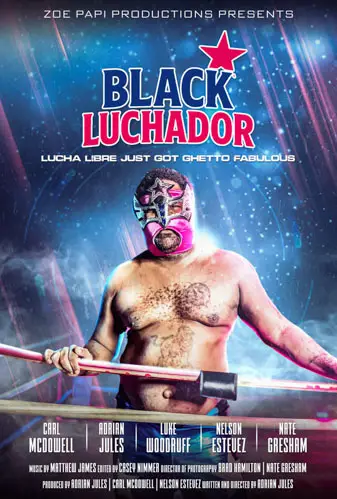
In writer/director Adrian Jules’s Black Luchador, a man staring down the wreckage of his personal life decides the only way forward is to reinvent himself through the fantasy he loved as a kid. After a brutal breakup leaves him at rock bottom, Tyrone Peterson (Carl McDowell) commits to his next life step: being the subject of a documentary, with a crew ready to capture what might be his emotional unraveling.
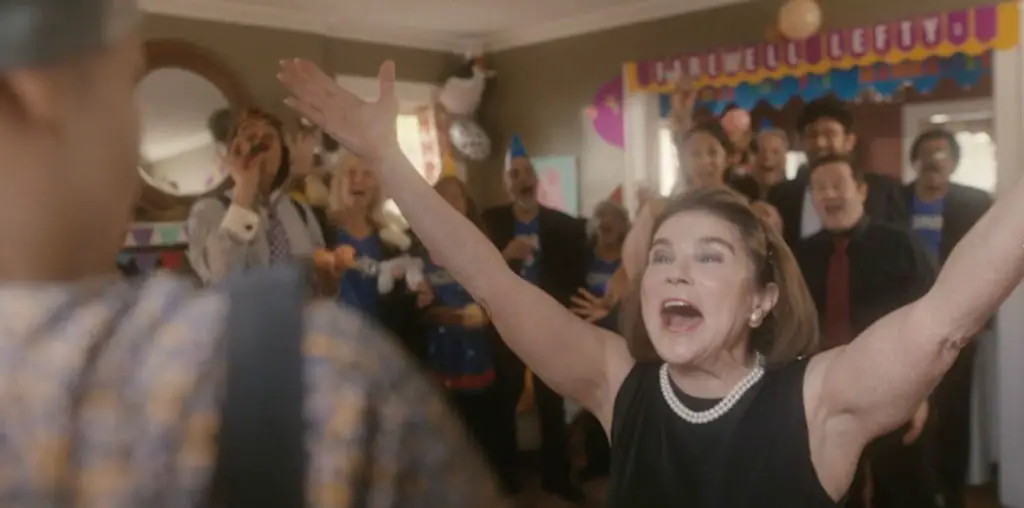
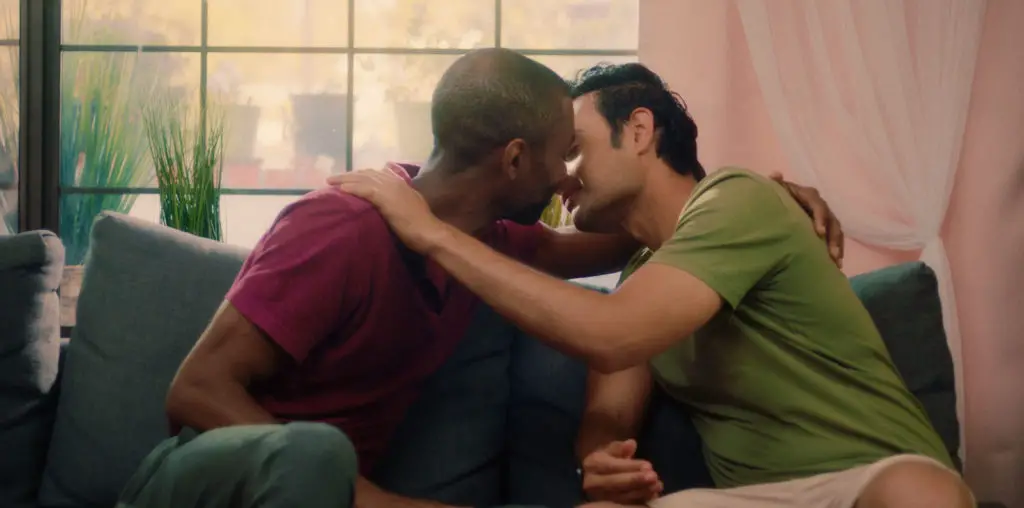
Framed in an Office-style parody format, the film crew follows Tyrone as he gathers his closest friends, Jean (Adrian Jules) and Harry (Luke Woodruff), to share his life-changing revelation. Immediately, Jean and Harry believe it is his “coming out” story. Upon his arrival, Tyrone explains his month-long absence, saying that he is revealing himself as his masked persona, the “Black Luchador.” Even after listing over a dozen black wrestlers, Tyrone insists he is ready to grab the brass ring and become the wrestling superstar known as the “Black Luchador.”
Black Luchador is a silly, fun, and mostly harmless comedic sketch from the warped mind of Jules. The sketch is the story of a self-deluded man who thinks he can fulfill his lucha dream despite his age and body shape, and his close friends who do not have the heart to tell him the truth. But then again, who says he can’t do it?
“…Tyrone explains his month-long absence, saying that he is revealing himself as his masked persona, the ‘Black Luchador.'”
Inspiration for the narrative came from the filmmaker’s life-long love of wrestling, particularly the larger-than-life mythology of masks, heroes, and reinvention. It became about “the courage to chase a dream later in life” and “the power of becoming who you always were beneath the mask.” For Jules, the short was all about pulling together his love of wrestling, his appreciation for Mexican culture and the legacy of lucha libre after years living in the San Fernando Valley.
The short works due to the director’s desire to ground the comedy in that cultural influence. He also hits on the themes of reinvention after personal collapse, chasing a buried dream, and using performance to reclaim identity and self-belief. Jules captures many of the right comedic beats, delivering a solid comedy with a good number of clever jokes. I love wrestling, and quite frankly, who says I can’t become a professional wrestler, either?
At the end of the day, Black Luchador works because it commits fully to Tyrone’s absurd dream. Jules builds sympathy for the guy underneath the mask. For a short sketch, it lands its story cleanly and leaves Tyrone’s wild ambition hanging in the air just long enough to make it funny when he falls.
"…who says I can’t become a professional wrestler, either?"