A single establishing shot of the Las Vegas Strip does a lot of work. Neon, casinos, a chapel sign blinking somewhere off-frame, and the audience starts guessing what kind of love story this will be: A punchline, a confession, or a mistake that comes with a certificate.
A recent Casinos.com ranking of iconic casino weddings across film and television, captures how stubborn the trope has become. Sitcoms, animation, and old-school star vehicles keep returning to the same idea: Las Vegas speeds up romance, then makes the consequences loud!
The real-world mechanics that make the trope believable
The cliché works because the city’s bureaucracy supports it. Clark County’s marriage statistics, updated nightly by the county clerk, list 75,325 marriages recorded in 2024 and 69,359 in 2025, with totals subject to change as documents are corrected.
Tourism messaging leans into speed, too. A VisitLasVegas.com weddings article published in November 2025 described “no-wait weddings,” noting the Marriage License Bureau is open seven days a week, 8 a.m. to midnight, and that blood tests and waiting periods are not required. Those details make a same-day marriage license feel plausible onscreen, especially when it’s paired with the very visible ecosystem of Vegas wedding chapels and resort ceremony spaces.
Friends made the accidental Vegas marriage a sitcom plot device
Ross and Rachel: The One in Vegas (1999)
The ranking puts Ross and Rachel at No. 1, a nod to how completely their Vegas wedding lodged into TV memory. The scene isn’t framed as destiny; it’s framed as fallout, a relationship wobble turned into legal status before anyone sobers up.
The comedy works because the visuals do the explaining. The casino backdrop signals permissiveness, the chapel signals finality, and the next episodes get to deal with the paperwork-shaped hangover.
The Hangover turned marriage into a hangover symptom
Doug and Tracy, but actually Stu (2009)
The Hangover’s intended wedding belongs to Doug, yet its most famous chapel beat belongs to Stu, who wakes up married and confused. The Casinos.com list even notes the joke in the credit line, because the pop-culture memory is the accidental marriage, not the planned one.
The film treats matrimony like a surprise injury. A chapel isn’t romantic scenery; it’s a consequence machine, and that is why Las Vegas weddings in movies keep circling back to the same setup. The city makes the unlikely feel administratively easy, then leaves characters to negotiate what it meant.
The Simpsons proved the trope was already a cliché by 1999
When The Simpsons did “Viva Ned Flanders,” it wasn’t discovering the Vegas wedding joke. It was confirming it, then stretching it until it snapped. Homer and Ned marry cocktail waitresses after a binge, then wake up to a problem that can’t be waved away with a one-liner.
The episode works because it treats the casino and the chapel as adjacent parts of the same system, with bright lights, easy drinks, and the promise that normal rules are temporarily paused. Animation makes it louder, but the bones are familiar.
Elvins-era optimism: When Vegas romance was pure spectacle
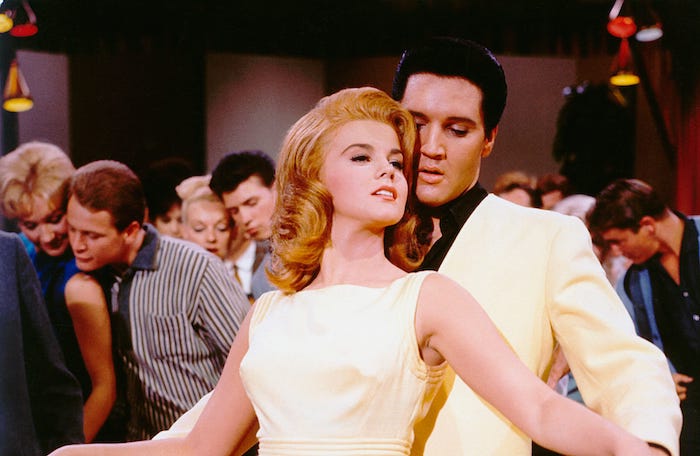
At No. 4 sits Viva Las Vegas (1964), the Elvis Presley vehicle that helped lock in the city’s romantic brand. This is Vegas before the modern sitcom hangover, a place where the glow reads as possibility rather than punishment.
The film treats casinos as iconography, not warning signs, and later genres borrow the same neon cues for different purposes. The language of luck travels beyond screenwriting, too. In the online gambling world, phrases like online casino bonuses function as shorthand for chance and urgency, and the overlap with Vegas mythology is not accidental.
Honeymoon in Vegas, where the casino is not wallpaper
Honeymoon in Vegas (1992) uses the casino as an active force, not background noise. The plot hinges on a high-stakes poker game and a casino boss who behaves like the house, persuasive, controlling, and deeply invested in not losing.
That framing turns romance into currency. The wedding theme isn’t decoration, it’s part of the wager, which is why the film still plays like a Vegas fable rather than a standard rom-com detour.
TV’s Las Vegas normalized weddings as part of resort life
The NBC series Las Vegas (2003 to 2008) treats a casino resort as a workplace, which changes what a wedding means onscreen. In an ensemble drama, ceremonies can appear as routine, one week a milestone, the next week an episode hook.
That normalizing effect echoes how resorts market themselves, as full-service environments where major life moments can sit alongside entertainment. In the show’s world, the ceremony is still heightened television, but it feels structurally ordinary.
What these stories say about casinos, romance, and risk
Across the list, the ingredients repeat. The chapel is an instant commitment. The casino is mood, noise, and permission. Together, they create casino wedding scenes that are legible in seconds and flexible enough to serve comedy, romance, or satire.
Colm Phelan, a brand manager and PR expert at Casinos.com, described the appeal in the Lucky in Love write-up with a simple line, “a little bit of luck can change everything.” Writers keep returning to that idea because Las Vegas lets romance behave like a high-variance bet.
Three jobs the Vegas wedding does for writers
Most of the famous examples can be grouped into the same set of narrative functions, even when the tone changes.
- It speeds up commitment, turning will-they, won’t-they into a legally binding yes.
- It creates consequence, a sudden marriage becomes a problem that the next episode or act must solve.
- It raises the volume; the ceremony becomes a spectacle, not private intimacy.
The trope also leaks into real life. In February 2026, a couple was legally married during Bad Bunny’s Super Bowl halftime show, a heavily reported moment that blended ceremony and mass spectacle in a way pop culture already understands.
The part pop culture tends to skip
Casinos are gambling environments, and the glamour framing in film and TV can flatten the risks that sit nearby. That doesn’t invalidate the trope, but it does change what the setting means, especially for audiences who only know casinos through stories.
Final Thoughts
The Casinos.com ranking is pop culture, not sociology, yet it captures a durable screenwriting truth. Vegas weddings persist because the city’s systems make them plausible, and its imagery makes them readable at a glance.
In the best versions, the chapel lights do not just signal romance. They signal risk, and the thin line between a joke and a commitment. That tension is why the trope keeps coming back, and why a single Strip shot can still set up an entire story.