
Have you ever had one of those days when your hair just seems to have a mind of its own? Dear Iris, writer/director/star Mikomi (mononymous in this case, but identified by other names in other projects) has, and brings us along for the experience in this LGBTQ+ themed supernatural thriller. The low-to-zero budget effort plays like a home movie without a traditional plot and not much dialogue.
The visuals open on a variety of nature shots, with soft piano music, taking on a darker theme and more urgent music as the film goes on. What we can discern from the action is that non-binary person Iris (Mikomi) is struck by a car on the way to a pride event. While recovering at home with their mother (Tracy Christoforou), Iris undergoes strange physical changes like runaway hair growth. These events comprise a very small percentage of the runtime. For the most part, we see montages of nature, Iris grooming themselves, and occasional interactions with mom.
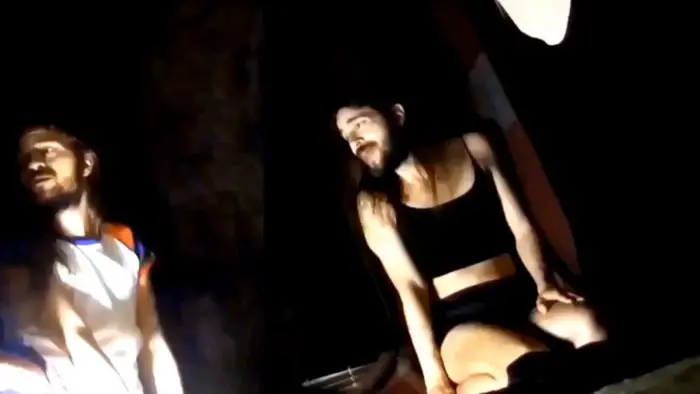
“While recovering at home with their mother, Iris undergoes strange physical changes like runaway hair growth.”
The music swells and dips as we go, overlaid with periodic excursions into dance vibes and also weird, disjointed sound effects. Very little of the music matches what is being shown onscreen. As the film progresses, Iris goes back and forth from having a beard to taking on a more femme appearance. Iris is shown in several scenes dancing to club music. As they go deeper, Iris is being attacked by their hair, at war with their own body. The dark spirit of Iris’s fractured identity seemingly challenges them to a fight for survival.
With only two characters, Iris and Mom, and no real plot, Dear Iris is a perfect example of abstract experimental cinema. According to the press materials, Iris is non-binary and transgender. The struggles with their hair possibly speak to a theme of being at odds with one’s body, in reference to the dysmorphia of gender identity confusion.
Breaking from a traditional movie format, Dear Iris is more of a cinematic tone poem with waves of thematic movements around gender identity. Finding an audience for this work will include viewers who don’t insist on a linear narrative and can settle in for abstract imagery and ideas in an experimental format. The production is amateurish, but not unwatchable. It might help to indulge in your psychoactive substance of choice, steering your mind away from conventional logic and judgment.
For more information, visit the official Dear Iris Facebook page.
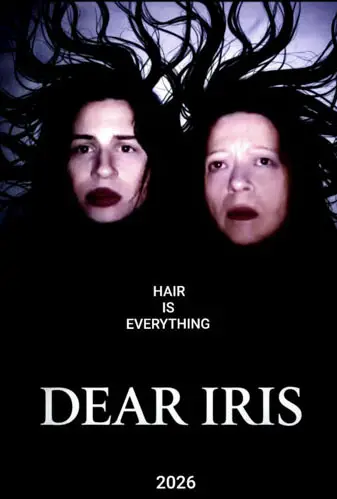
"…a cinematic tone poem with waves of thematic movements..."