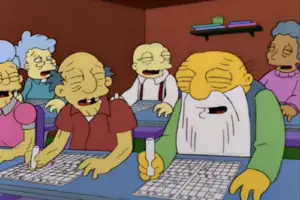
Bingo might appear to be an unlikely candidate for cinematic or television greatness, yet it has repeatedly proven to be a powerful storytelling device. Across decades of film and television, bingo scenes have quietly delivered some of the most memorable, revealing, and emotionally resonant moments on screen. Far from being filler or novelty, these scenes often serve as windows into character, community, and social change, offering storytellers a deceptively simple framework through which deeper narratives can unfold.
What makes bingo so effective on screen is its immediate recognisability. Audiences instinctively understand the structure, the pacing, and the anticipation embedded in the game. This shared understanding allows filmmakers and showrunners to focus on performance and subtext rather than exposition. The ritual of numbers being called, cards being marked, and collective reactions unfolding creates a natural rhythm that mirrors dramatic tension. In the hands of skilled writers and directors, a bingo scene can be as suspenseful as a courtroom verdict or as revealing as a confessional monologue.
In film, bingo scenes are often used to ground stories in everyday reality. They appear in settings that emphasise routine, tradition, and community, particularly when exploring themes of ageing, working class life, or social connection. These moments are rarely about winning or losing in a literal sense. Instead, they highlight the emotional stakes of the characters involved. A bingo hall becomes a shared space where loneliness, rivalry, hope, and familiarity coexist, allowing filmmakers to explore human behaviour in its most unguarded form.
Television, with its long form storytelling, has made particularly effective use of bingo scenes. In ensemble dramas and soaps, bingo provides a convenient and believable way to bring multiple characters together. These scenes often unfold quietly, with dialogue layered over the game itself, allowing personal conflicts and relationships to develop organically. A raised eyebrow, a whispered comment between calls, or a reaction to a near miss can reveal as much about a character as an entire episode devoted to exposition.
Comedy has long embraced bingo for its inherent contrasts. The seriousness with which characters often approach the game lends itself naturally to humour, especially when paired with exaggerated personalities or high-stakes emotional investment. Sitcoms frequently use bingo scenes to subvert expectations, showing characters behaving out of character under the pressure of the game. The humour works because it feels rooted in truth, anyone who has witnessed a real bingo night understands how intense the atmosphere can become.
Some of the most enduring bingo scenes in film and television are those that use the game as metaphor. The randomness of the draw mirrors uncertainty in characters’ lives, while the hope attached to each number reflects longing, desperation, or quiet optimism. Directors often heighten this symbolism through sound and editing, isolating the caller’s voice or cutting between characters as tension builds. In these moments, bingo transcends its function as a game and becomes a narrative device that amplifies emotional stakes.
Bingo scenes have also played an important role in stories that explore generational identity. Older characters are often shown attending bingo as part of a weekly ritual, emphasising continuity, memory, and social structure. When younger characters enter these spaces, the contrast highlights changing cultural habits and values. These interactions are rarely overtly didactic, yet they communicate a great deal about time, tradition, and the ways communities evolve.
Modern audiences bring additional layers of interpretation to these scenes. While many depictions focus on traditional halls, viewers are increasingly aware of how the game has evolved in contemporary culture, including its digital presence on bingo sites UK and beyond. This contrast between old and new adds subtext, even when the scene itself remains rooted in nostalgia. It reminds viewers that bingo, like many cultural rituals, adapts while retaining its core identity.
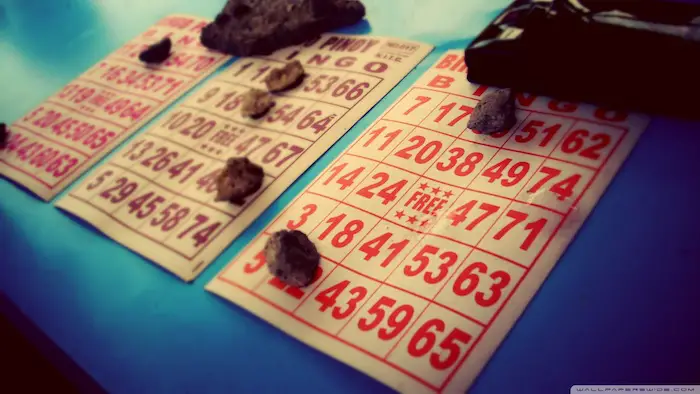
What unites the most memorable bingo scenes across TV and film is authenticity. When storytellers respect the environment and the people within it, bingo becomes a powerful lens through which to explore human connection for those who participate. These scenes succeed not because they are flashy, but because they feel lived-in and sincere. They capture moments of stillness, anticipation, and shared experience that resonate universally.
In an industry often driven by spectacle, bingo scenes stand out precisely because they are modest. They remind audiences that meaningful drama does not always require grand settings or high stakes. Sometimes, it unfolds quietly in a community hall, between calls of numbers, in the shared breath before a result is revealed. For filmmakers and television creators, bingo has proven to be an unexpectedly rich narrative tool, capable of delivering humour, heartbreak, and humanity in equal measure.
Ultimately, the most memorable bingo scenes endure because they reflect real life. They capture the beauty of routine, the tension of chance, and the comfort of community. Whether played for laughs or layered with emotional depth, these moments continue to leave their mark on television and cinema, proving that even the simplest games can produce some of the most powerful storytelling when placed in the right hands.