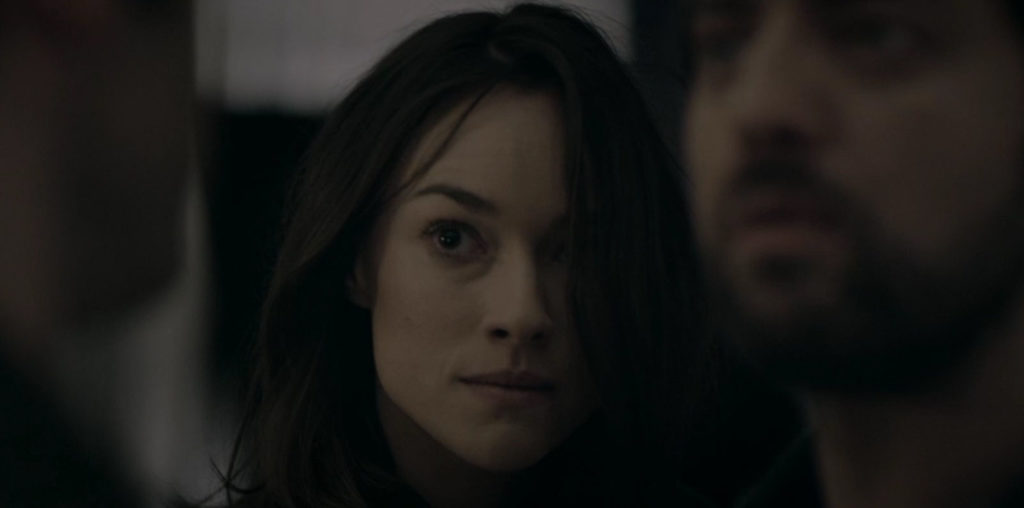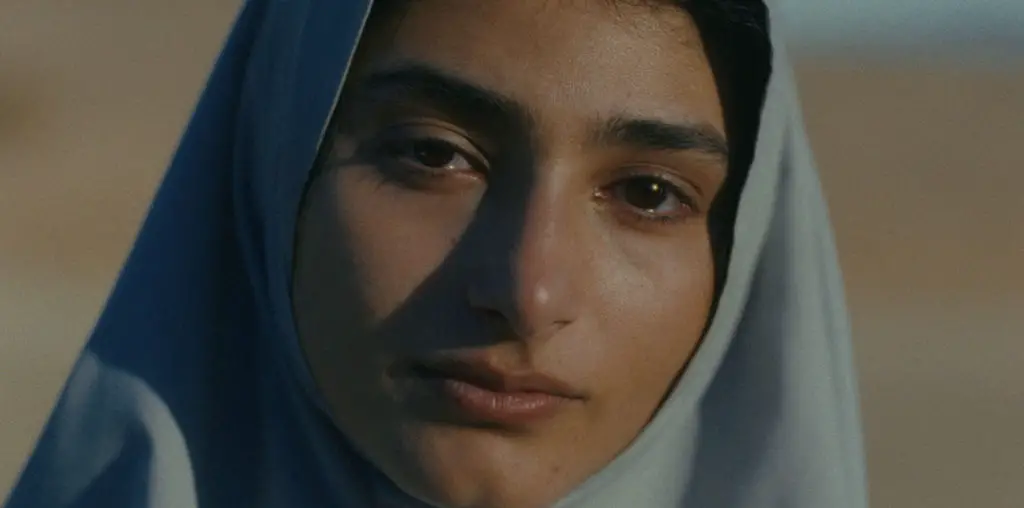
SUNDANCE FILM FESTIVAL 2026 REVIEW! Co-directors / writers Hossein Keshavarz and Maryam Ataei, Iranians who live in New York, present a snapshot of the lives of two young women in Tehran with their feature drama The Friend’s House is Here. Hanna (Mana Hana) and Pari (Mahshad Bahraminejad) are friends and artists. Hanna is a dancer, and Pari works in a gallery, as well as writing and directing underground plays.
When we meet them, Hanna is planning to leave Iran for some time for work, and Pari is working on a new play. The women are carefree and enjoy a level of freedom that is startling to Westerners. This is a slice of Iranian life we have not seen before. They shop in stores and go to cafes, hang out with friends, and in public, they do not cover their hair, despite admonishments from an older woman to wear the hijab. They seem incautious, but also the authorities are, at this moment, less strict about enforcing sharia law, at least in the city. Underlying the joy and energy of youthful life always runs an undercurrent of dread.
Pari has gathered around her a community of theater artists who are passionate about their plays. While the plays are only mildly subversive, they are in violation of cultural laws simply for not requesting permission to perform them. When a man comes around to question Pari, she is arrested.
Hanna, with assistance from Pari’s mother, rallied their friends to come up with money for Pari’s bail, the equivalent of $10,000 U.S. Dollars. This incident brings home how fragile their situation is and how serious the authorities are about cultural control. They are terrified and fearful afterward. Pari’s mother asks her to stop producing her plays. The artists are defiant and determined, but that bravado takes a hard hit when Pari is arrested. She must carefully consider whether to continue pursuing her art.
“… A young women is arrested for producing underground plays in Tehran …”
The younger generation in Iran is pushing hard against the constraints of the draconian cultural laws, and this film shows us a glimpse of that energy. They are not so different from the people lining the streets to protest the abuses of ICE in the United States. The title refers to a famous Abbas Kiarostami film, from 1987, called Where is the Friend’s House?
Keshavarz and Ataei have crafted a beautiful film with compelling dialogue and colorful cinematography. It begins light-heartedly with ordinary victories and struggles. Westerners will be astonished at the beauty and lively spirit of Tehran. The artists are affectionate with each other in a way that would be considered overly familiar in the U.S.
The characters speak Farsi, the dominant language in Iran. Most of Iran is Persian, and Persians are considered a higher class. Their ethnicity does not help, however, when they run afoul of authorities.
The filmmakers and actors worked with the same fear that the characters do, and made the film at great peril to themselves. Since the completion of the film, massive protests and crackdowns have happened in early January 2026. As of this writing, an estimated 36,000 protesters have been killed. The project was made using guerrilla film tactics, shooting outdoor scenes quickly and dodging authorities. The wave of unrest in Iran was just kicking off when the film was completed, and a long road trip to Istanbul was made to smuggle it out of the country.
The Friend’s House is Here provides an instructive window into the challenges of life in Tehran, as well as an opportunity for Westerners to share these moments and empathize with the people there.
The Friend’s House is Here screened at the 2026 Sundance Film Festival.
"…a window into the challenges of life in Tehran"