Traitor is a low-budget indie short, written, directed, produced, and edited by Jordan Rockwell. The eerie tone the filmmaker sets more than makes up for the thousands of dollars he didn’t have to spend. Shooting in black and white gives the 12-minute affair a truly cinematic appearance. The filmmaker uses the camera to transport us into a war-torn United States, capturing every thought and emotion for every character.
Set in the not-so-distant future during the Second American Civil War, we find ourselves in an underground military bunker. Captain Reynolds (Jayd Swendseid) oversees an interrogation operation led by a sadistic doctor (G. Anthony Joseph), who brutally tortures the captured enemy soldiers in search of the coordinates of their base. Reynolds is worn down and numbed by the war. One by one, soldiers refuse to talk, even under extreme pain, holding to their duty despite knowing the consequences.
As the final captive is brought before him, Reynolds makes the decision to personally take control of the interrogation rather than leave it to the doctor. He takes him outside with a pistol in his hand. In this tense encounter, he confronts not just the prisoner but also his own conscience.
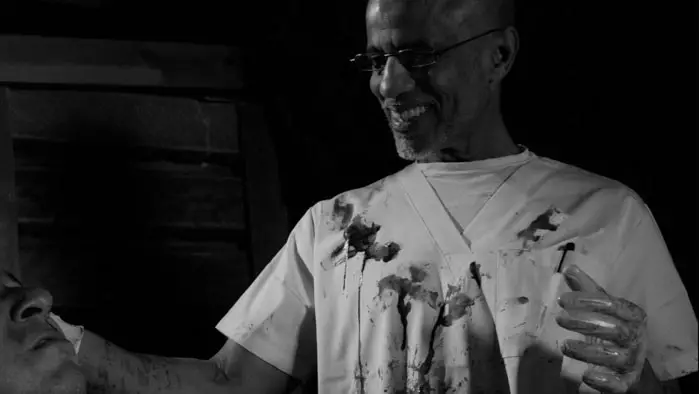
G. Anthony Joseph as the sadistic doctor during an interrogation in Traitor.
“Captain Reynolds oversees an interrogation operation led by a sadistic doctor…”
Traitor is a gritty drama that pits brother against brother in the waning days of a modern civil war. What makes a civil war different from a regular war is that you know who your enemy is. They are your friends or family. At one time, you may have broken bread or held one another’s babies.
Writer-director Jordan Rockwell crafted the movie as more than just a gritty war drama — it’s intended as a reflection on empathy across deep divides. He has explained that the story grew from the realization that some people we agree with can feel distant, while those we disagree with may still command our respect. Through the clash of conflict (physical and verbal), loyalty, and unexpected compassion, his goal was to create a warning about the dehumanizing nature of conflict, while ultimately offering a message of hope and redemption.
Traitor closes on a reminder that even in the darkest hours of war, the choices we make can reveal our truest selves. Rockwell’s film suggests that humanity, compassion, and the willingness to listen to those with whom we disagree may be the only path to redemption in a divided world.
For screening information about Traitor, visit Jordan Rockwell’s official website.
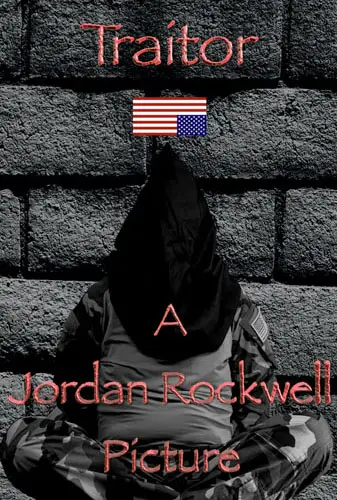
"…even in the darkest hours of war, the choices we make can reveal our truest selves."